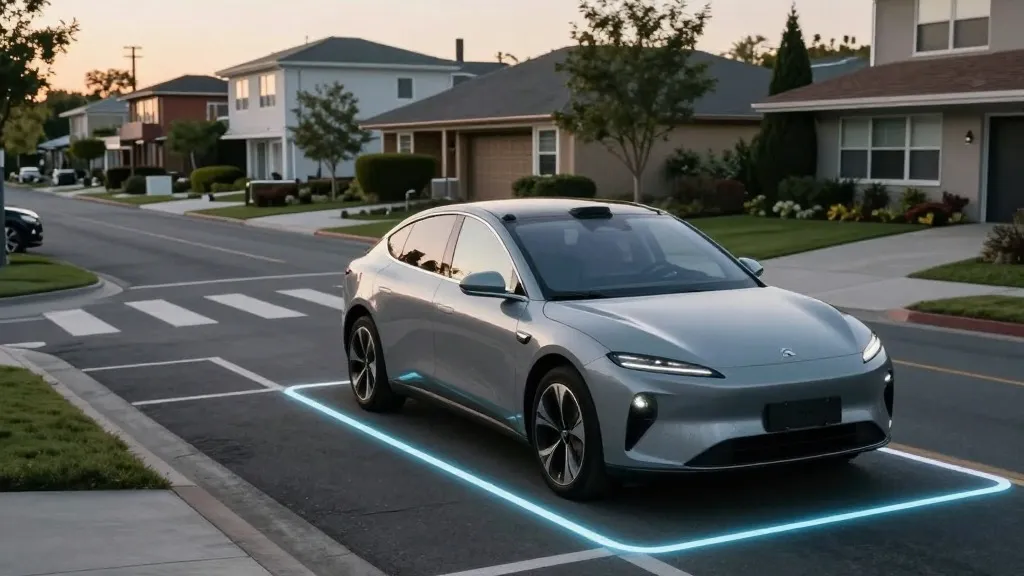
Cybercab Sales Targeted for End of 2026, But Most Will Stay Company-Owned
Tesla executives confirmed that customers can expect to purchase the autonomous two-seater by December, though the majority of units will remain in the company's robotaxi fleet.
By Jacob Leary ·
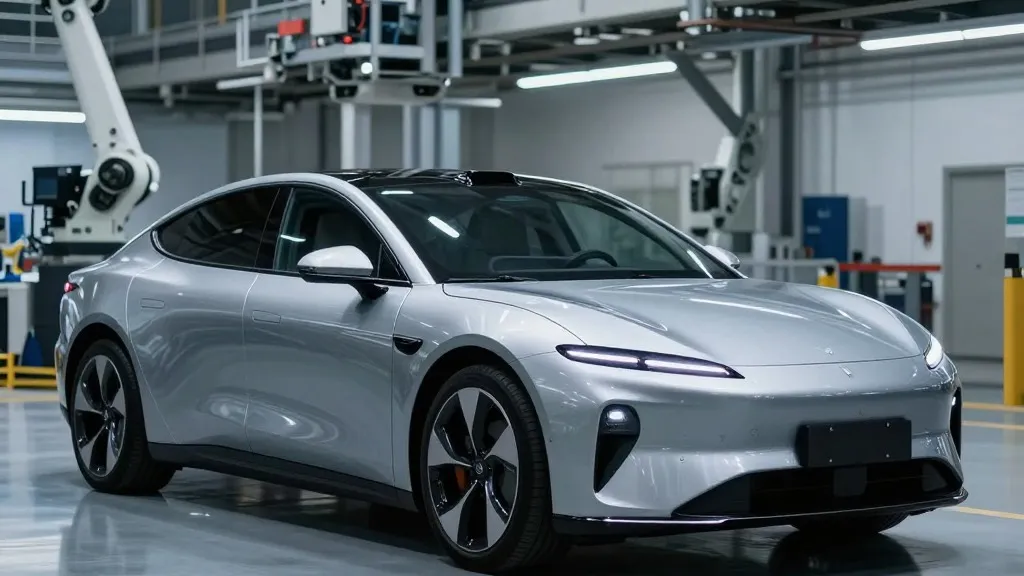
The $30,000 price tag previously associated with Tesla’s Cybercab is set to become a reality for a select group of buyers by the end of this year. This figure serves as the anchor for a vehicle that has long been shrouded in speculation regarding its actual availability, but new statements from company leadership have narrowed the window for private ownership. While the vehicle has been in the public eye since its production line started, the path to a customer's driveway has been complex, involving internal fleet testing and regulatory hurdles that continue to shape the rollout strategy.
During the third-quarter 2026 earnings call on October 21, Lars Moravy, Vice President of Engineering, provided the most concrete timeline to date. He stated that the company is trying to get Cybercabs to customers by the end of 2026. This clarification ends months of debate over whether the fully autonomous vehicle would be available in the near term. Moravy noted that while production is actively underway at Gigafactory Texas, every unit currently rolling off the line is being assigned to Tesla’s internal Robotaxi fleet rather than to individual buyers.
The strategy behind this limited initial release appears to be one of cautious expansion. Moravy explained that as operations scale, Tesla intends to mainly deliver fully designed autonomous vehicles to the public, with the Cybercab serving as the first such model. However, the initial wave of customer deliveries will be small in scale. This approach allows the company to gain necessary experience in areas such as delivery logistics, ownership models, and fleet management while the vehicles operate outside of Tesla’s direct control. It is a methodical step that prioritizes operational stability over rapid market saturation.
Elon Musk reinforced this perspective during the same call, emphasizing that the Cybercab is not intended to be a standard personal ownership vehicle in the same way as the Model 3, Model Y, or the upcoming Roadster. He described the vehicle primarily as a “transport-as-a-service” offering. According to Musk, the vast majority of Cybercab units will remain Tesla-owned, suggesting that private buyers will be the exception rather than the rule. This distinction is crucial for understanding how Tesla views its autonomous portfolio, separating it from its traditional car sales model.
The Cybercab itself represents a significant departure from Tesla’s other offerings. It is a two-seater vehicle developed without a steering wheel or pedals, relying entirely on the company’s Full Self-Driving suite. Production on this model began in February, and early units were integrated into the Robotaxi service in early September, coinciding with the launch of rides to the general public. This timeline indicates that the vehicle has already undergone several months of real-world testing before the private sales window opens, a period that has likely provided critical data on its performance and reliability.
Despite the optimistic end-of-year target, several hurdles remain. Ashok Elluswamy, Tesla’s Head of AI, indicated that unsupervised Full Self-Driving is expected to ship to consumer cars during the second quarter of 2027. This creates a potential gap between when customers receive their Cybercabs and when the broader autonomous suite becomes widely available. Furthermore, early buyers or fleet operators may find that the autonomous operation of their vehicles remains geographically restricted. This limitation is largely due to lagging regulatory agencies, which may slow the expansion of the service area in the immediate future.
For now, the focus remains on the small batch of units slated for delivery before the year ends. The company is balancing the desire to showcase its autonomous technology against the practical challenges of managing a new type of vehicle in the hands of private customers. As the fourth quarter progresses, the Southwest and other regions may see the first of these wheel-less vehicles on the road, marking a distinct shift in how Tesla approaches the autonomous market.
Source: Teslarati