SpaceX Starship Moon Plan May Need 22 Launches
Internal NASA figures suggest a significantly higher number of orbital refueling flights than previously estimated for lunar missions.
By Jayden Sweiler ·
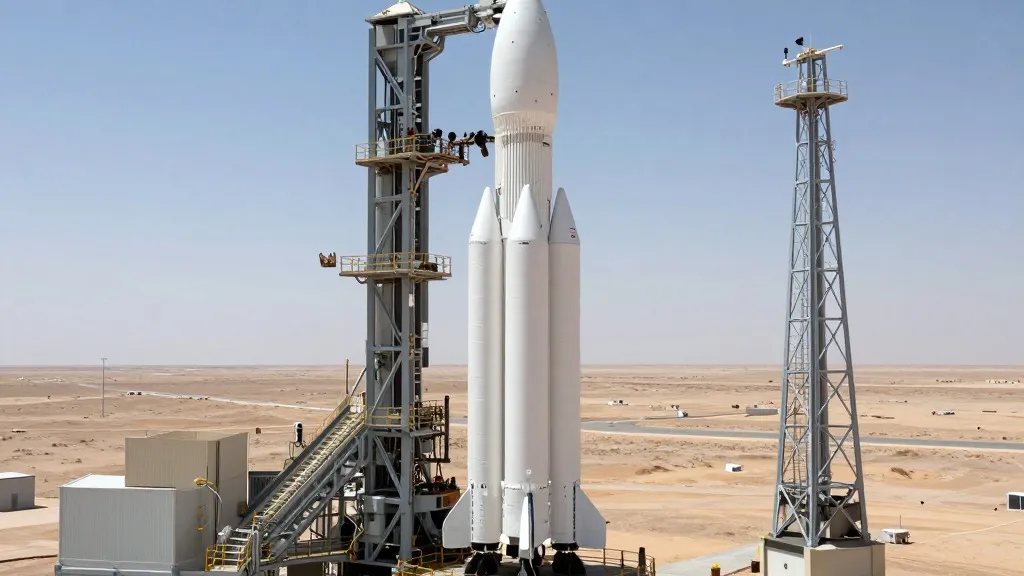
NASA recently shared a specific figure with its safety board: 22. This is the agency's current best estimate for the number of Starship rocket launches required to fully fuel a lunar lander in low-Earth orbit. The goal is to send the craft to the Moon, allow astronauts to walk on its surface, and then bring the vehicle back to lunar orbit.
This number has historically been a closely guarded metric within the Artemis program. For years, officials have treated the figure with extreme caution, often responding to inquiries with vague assurances that they were still working out the details. In 2023, Lisa Watson-Morgan, who led NASA's Human Landing System at the time, told Ars Technica that while the agency had a general idea, she was reluctant to commit to a precise count. She later described the requirement as falling in the range of high single digits to low double digits, suggesting roughly a dozen flights. Other government officials have occasionally cited numbers in the high teens. The consistent hope has been that SpaceX could dramatically increase the lift capacity of its Starship vehicle, thereby reducing the number of tanker flights needed to top off the lander's tanks with liquid oxygen and methane.
The new estimate of 22 launches signals a potential shift in expectations. Some NASA officials are now concerned that the anticipated improvements in Starship's payload capacity may not materialize quickly enough. This delay could prevent the rocket from playing a significant role in returning humans to the Moon within the current decade. The discrepancy between previous optimistic projections and this newer, higher number highlights the engineering challenges involved in orbital refueling.
The figure came to light during a quarterly meeting of the NASA Aerospace Safety Advisory Panel held on Thursday. During the session, Charlie Precourt, a former NASA astronaut and member of the panel, discussed various risks associated with the Artemis program. His presentation included an analysis of the logistical hurdles involved in landing humans on the Moon, specifically focusing on the dependency on repeated orbital refueling operations.
While the source text does not provide the full conclusion of Precourt's remarks, the emergence of this 22-launch estimate marks a notable development in public understanding of the program's requirements. It underscores the complexity of building a sustainable lunar infrastructure using existing commercial hardware. For non-experts, the key takeaway is that the process of fueling a spacecraft for a lunar trip is far more resource-intensive than previous rough estimates suggested.
Open questions remain regarding how this new estimate will affect the broader Artemis timeline. If 22 launches are indeed necessary, the frequency of SpaceX launches must be high enough to support the mission schedule. The agency will likely continue to monitor these variables as engineering tests progress, but for now, the 22-launch figure stands as the most concrete number available to the public regarding the fueling phase of the lunar lander.
Source: Ars Technica